Legacy & Modern Relevance

Legacy & Modern Relevance

The Iron Will That Shaped Modern India

Sardar Vallabhbhai Patel was not merely a freedom fighter — he was the architect of India’s political unity and administrative foundation. His decisions during the crucial years after independence laid the structural backbone of the Republic of India.

Even today, his principles of discipline, national integration, strong governance, and decisive leadership continue to guide India’s growth and democratic stability.
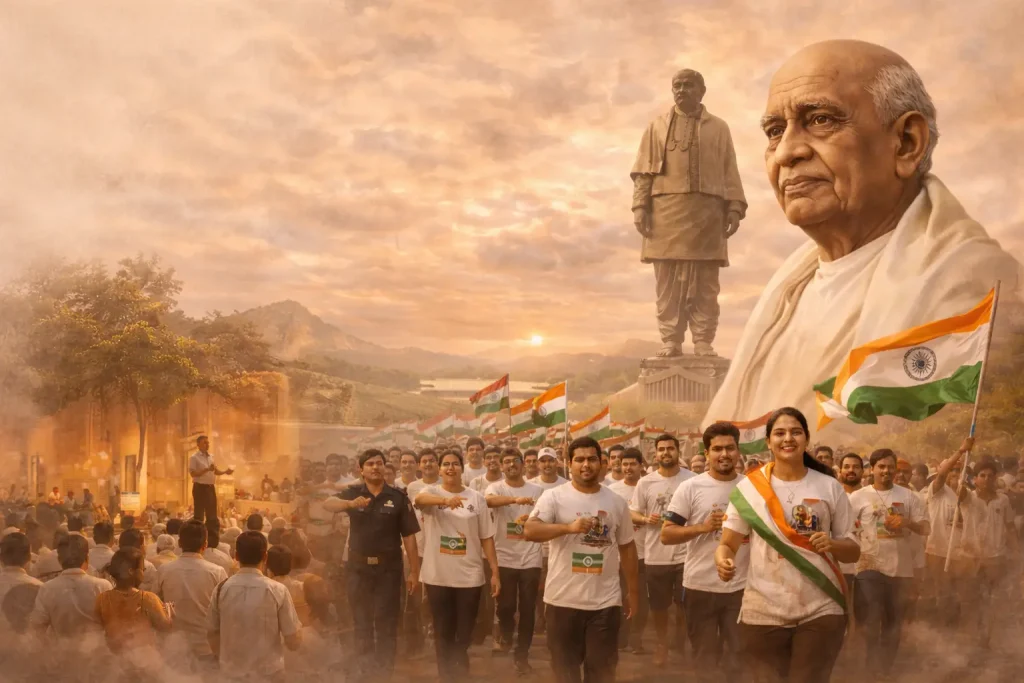

Volunteer Program

Leadership Built on Discipline and Integrity

Leadership Principles

• Decisive Action
• Firmness with Fairness
• National Interest Above Personal Gain
• Administrative Accountability
• Unity Over Division

Institutions like the Lal Bahadur Shastri National Academy of Administration emphasize these principles in civil service training programs.

His leadership model remains relevant for bureaucrats, political leaders, entrepreneurs, and youth shaping India’s future.

Indian Unity Day

Rashtriya Ekta Diwas – Celebrating Unity

To honor Sardar Patel’s birth anniversary on October 31, India observes Rashtriya Ekta Diwas. This day reinforces the message of national integration and social harmony.

▸ Run for Unity
▸ Unity Pledge Ceremonies
▸ Cultural Programs
▸ Educational Seminars
▸ Youth Participation Drives

Policy Ideals India Still Needs

Timeless Ideals for Modern Governance

Many of Sardar Patel’s principles remain deeply relevant in today’s India.

His vision emphasized that unity must be protected not just geographically, but socially and institutionally.

Strong Internal

Security

National Integration

Above Regionalism

Zero Tolerance for

Corruption

Efficient

Bureaucracy

Rural Empowerment &

Agricultural Reform

Administrative

Accountability

Scroll to Top