
Freedom Struggle Role
Kheda Satyagraha (1918)
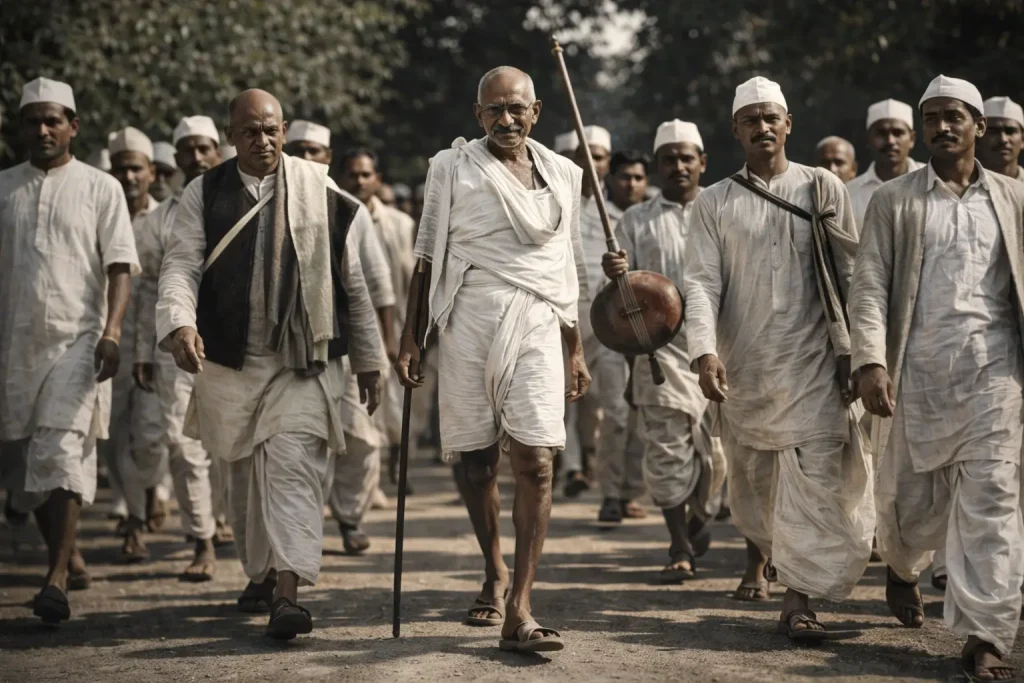
Background of the Famine Issue
In 1918, the Kheda district of Gujarat faced severe crop failure due to drought and epidemic conditions, leaving farmers unable to pay land revenue taxes. Despite widespread hardship, the British colonial administration refused to grant tax relief or suspend collections. The situation created deep distress among peasants. Under the guidance of Mahatma Gandhi and the leadership of Sardar Vallabhbhai Patel, the struggle for justice began.
Strategic Planning and Peaceful Resistance
Nonviolent Resistance
Adopted disciplined nonviolent protest, ensuring moral high ground while resisting unjust colonial policies firmly and collectively.
Mass Mobilization
Organized peasants and citizens village by village, building unity, confidence, and shared purpose among communities.
Tax Refusal
Encouraged farmers to withhold revenue payments peacefully until authorities acknowledged genuine hardship conditions.
Negotiation Tactics
Used dialogue alongside protest, combining firmness with diplomacy to secure practical concessions.
Collective Discipline
Maintained strict unity and restraint, preventing violence and strengthening credibility of the movement.
Successful Resolution and Tax Relief
The Kheda Satyagraha concluded with a significant moral victory for the farmers. After sustained nonviolent resistance and collective unity, the British authorities agreed to suspend the collection of land revenue from those genuinely affected by crop failure. This marked an important triumph of peaceful protest and demonstrated the strength of organized civil resistance.

The movement strengthened the bond between leaders and peasants, building confidence among ordinary citizens to challenge injustice. Under the leadership of Sardar Vallabhbhai Patel, the struggle proved that disciplined unity and nonviolence could compel policy change. It also established Patel as a powerful mass leader in India’s freedom movement.
Bardoli Satyagraha (1928)
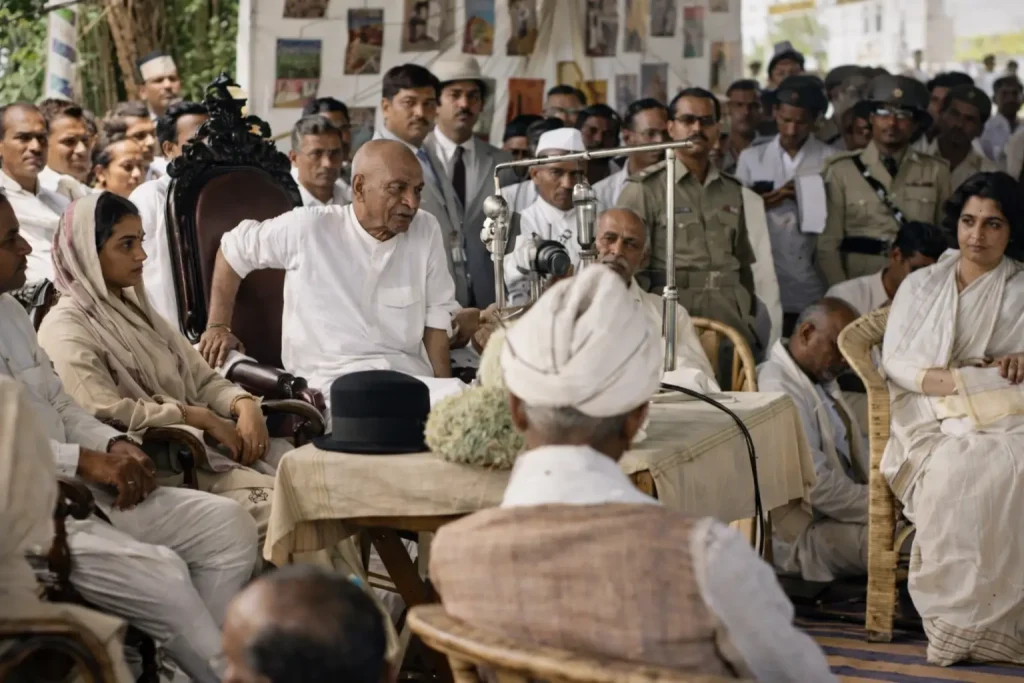
Farmers Movement
In 1928, the Bardoli region of Gujarat witnessed a powerful farmers’ movement against an unjust 22% increase in land revenue imposed by the British government. The hike came despite poor agricultural conditions, placing immense burden on peasants. Under the determined leadership of Sardar Vallabhbhai Patel, farmers united in disciplined nonviolent resistance. They refused to pay the enhanced taxes, maintained strict unity, and endured property seizures, ultimately compelling the authorities to withdraw the increase.
Origin of the Title “Sardar”
The honorary title “Sardar,” meaning leader or chief, was bestowed upon Sardar Vallabhbhai Patel by the people of Bardoli in 1928. During the Bardoli Satyagraha, farmers faced an unjust increase in land revenue imposed by the British government despite severe agricultural distress. Patel led the movement with extraordinary discipline, strategic planning, and unwavering courage. His ability to unite villagers, maintain nonviolent resistance, and inspire confidence among ordinary peasants earned him deep admiration. The people of Bardoli, moved by his fearless leadership and protective guidance, began addressing him respectfully as “Sardar.” The title was not granted by any authority but emerged organically from public affection and gratitude. It symbolized trust, strength, and moral authority rooted in service to the oppressed.
The Bardoli movement became a landmark in India’s freedom struggle, demonstrating the power of organized civil resistance under strong yet compassionate leadership. Patel traveled extensively across villages, encouraging unity and discipline while assuring farmers that justice would prevail. Even when properties were confiscated and pressure intensified, he insisted on peaceful conduct and collective resolve. His calm confidence strengthened the morale of thousands who were willing to sacrifice for dignity and fairness. The British administration eventually agreed to roll back the tax increase and return seized lands. This decisive victory elevated Patel’s stature nationwide. The title “Sardar” thus represented recognition of his ability to lead with firmness, wisdom, and an unbreakable commitment to justice.
Over time, the name “Sardar” became inseparable from Vallabhbhai Patel’s identity, reflecting both authority and affection. It was more than a political label; it embodied his character as a unifier and protector of the people. The title later gained deeper significance when he played a pivotal role in integrating over 560 princely states into the Indian Union after independence. His steadfast determination, administrative brilliance, and national vision reinforced the meaning of “Sardar” as the architect of unity. Even today, the title stands as a reminder of his grassroots leadership and the trust reposed in him by ordinary citizens who saw in him a guardian of their rights and aspirations.
Quit India Movement (1942)
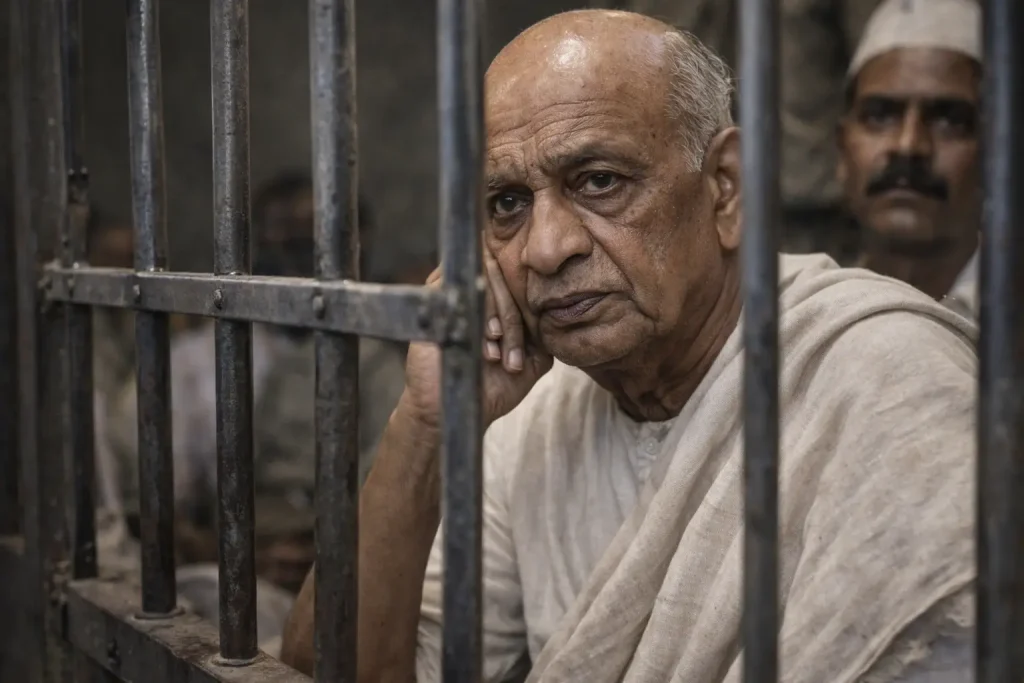
National Coordination Role
During the Quit India Movement of 1942, Sardar Vallabhbhai Patel played a crucial role in strengthening national coordination within the Indian National Congress. He worked closely with Mahatma Gandhi and other leaders to mobilize mass resistance against British rule. Patel emphasized discipline, unity, and organized action across provinces. Even after being arrested soon after the movement began, his prior groundwork helped sustain widespread protests, strikes, and civil disobedience throughout the country.
Arrest and Movement Aftermath
Arrest
Detained soon after Quit India resolution, silencing his direct organizational leadership temporarily.
Imprisonment
Held under strict surveillance, enduring confinement without compromising nationalist commitment.
Uprising
Nationwide protests erupted, sustaining resistance despite absence of central leadership.
Legacy
His sacrifice strengthened unity, accelerating determination for complete independence.