Architect of United India

Strategy and Diplomatic Integration

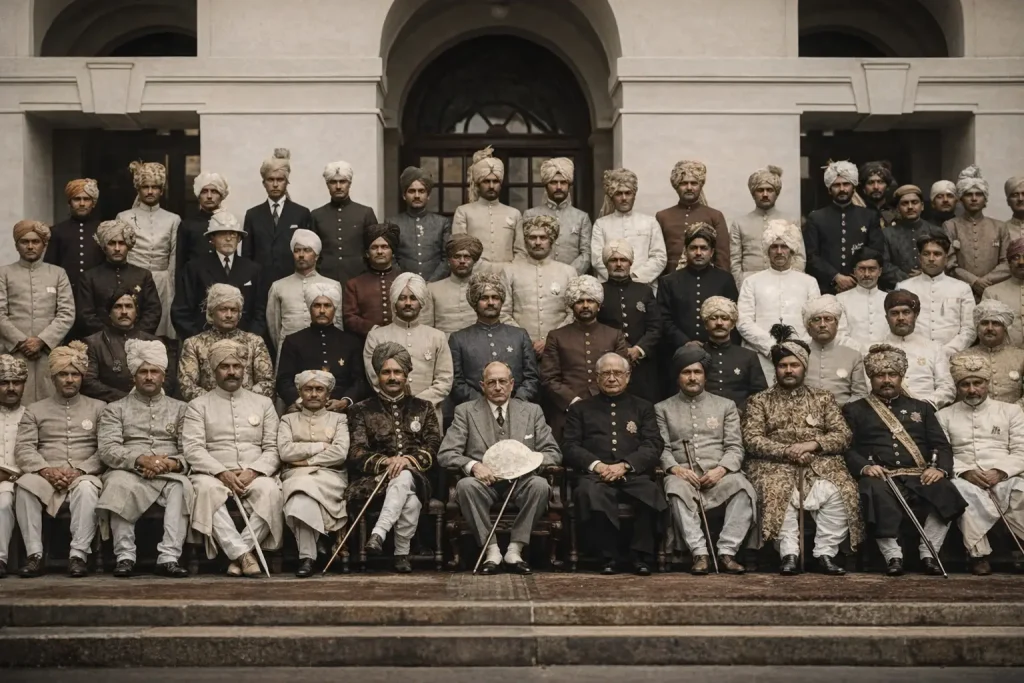
After India’s independence in 1947, more than 560 princely states faced the choice of joining India or Pakistan. As Deputy Prime Minister and Home Minister, Sardar Vallabhbhai Patel led the historic task of national integration. With firm determination and practical diplomacy, he persuaded rulers to accede to the Indian Union through legal agreements known as Instruments of Accession.

List of States Integrated

Hyderabad

Annexed through Operation Polo after resisting accession.

Junagadh

Integrated after plebiscite rejected accession to Pakistan.

Kashmir

Acceded to India under Instrument of Accession in 1947.

Travancore

Initially hesitant, later joined Indian Union peacefully.

Bhopal

Acceded after negotiations with central leadership.

Jodhpur

Considered Pakistan option but ultimately signed accession.

Role of V. P. Menon

V. P. Menon worked closely with Sardar Vallabhbhai Patel as a key architect of India’s political integration. As a senior civil servant, he drafted accession documents, negotiated with rulers, and ensured smooth administrative transition during state mergers.

Integration of Hyderabad State

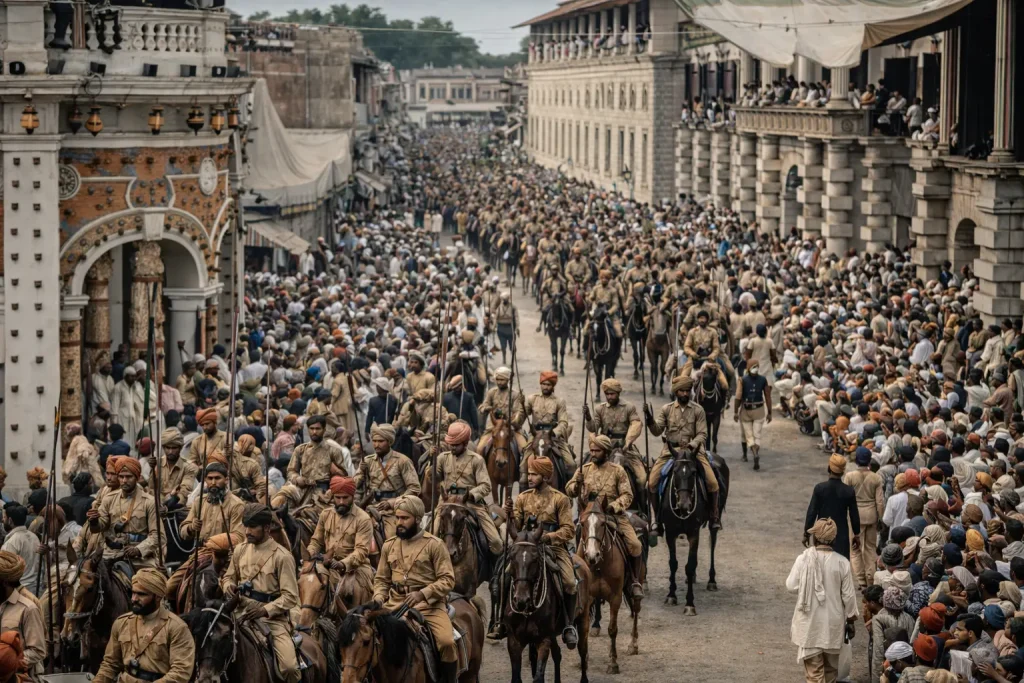
The integration of Hyderabad in 1948 was one of the most decisive actions taken to preserve India’s unity. The princely state, ruled by the Nizam, initially refused to accede to India and sought independent status. Amid rising internal unrest and security concerns, the Government of India initiated “Operation Polo,” a brief military action to restore order. Under the firm leadership of Sardar Vallabhbhai Patel, Hyderabad was successfully integrated into the Indian Union, strengthening national stability and territorial integrity.
Scroll to Top